Infrastructure & Civil Works in Lennox Head
Enquire Now in Lennox Head
Please note: We do not fix potholes.
End-to-End Civil Works Services
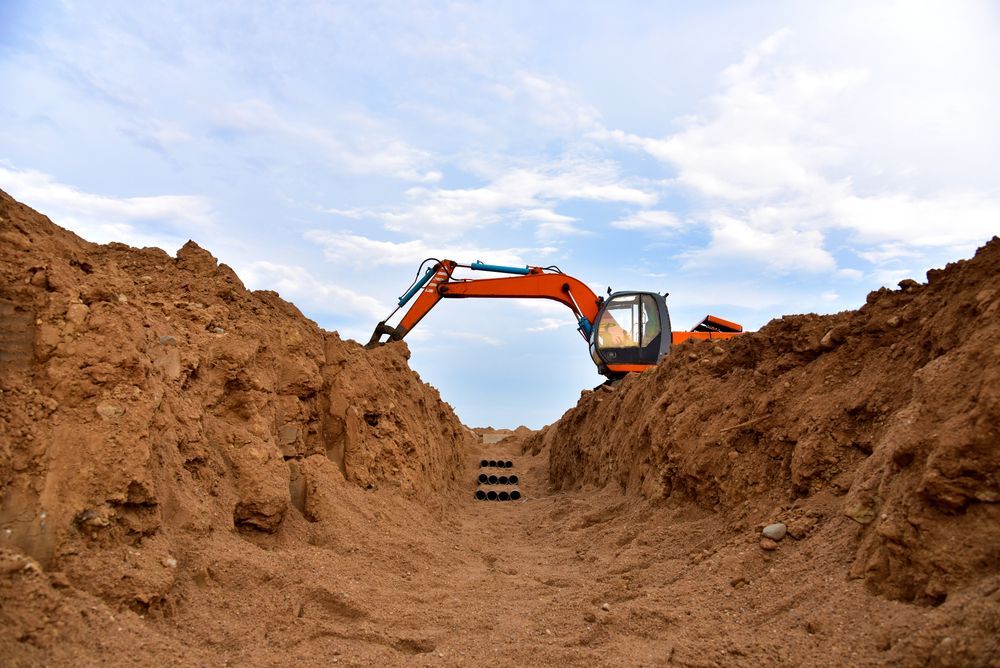
Projects in Lennox Head often require a careful balance between ground stability, drainage control, and site access, particularly when civil works are being carried out near existing infrastructure or developed areas. East Point Earthmoving undertakes civil works in Lennox Head with a strong focus on preparation and coordination, managing projects from early ground preparation through to infrastructure-ready outcomes. Well-planned groundwork plays a crucial role in the long-term performance of civil projects, and we approach each stage with precision and intention.
Local knowledge is essential when delivering civil works in Lennox Head. Our team understands council requirements, site constraints and the environmental factors that can influence how works need to be carried out. By assessing conditions early and applying a methodical approach, we help reduce delays, manage risk and keep projects moving forward efficiently and predictably.
Alongside civil works, we also deliver asphalt services and comprehensive earthmoving solutions, enabling clients to coordinate multiple stages of work through a single, experienced local contractor. To discuss civil works requirements in Lennox Head, contact East Point Earthmoving on 0435 771 565.
Managing Variable Ground Conditions
In coastal locations like Lennox Head, civil works must take into account drainage behaviour, soil stability and site access constraints that can shift quickly from one project to the next. Ground conditions, groundwater movement and proximity to surrounding infrastructure all influence how civil works perform over time. When these factors are not properly assessed early, projects can be exposed to delays, safety risks and long-term maintenance challenges.
- Bulk and detailed earthworks suited to coastal and regional ground conditions
- Road formation, access preparation and underground service trenching
- Drainage and site preparation works aligned with local regulations
East Point Earthmoving undertakes civil works across Lennox Head, Byron Bay, Bangalow, Brunswick Heads, Mullumbimby and Ballina, tailoring each project to local conditions and council requirements. Our planning process focuses on minimising risk, maintaining compliance and ensuring sites are properly prepared before work progresses. Learn more about our civil works capability in Lennox Head by making an enquiry today.
Enquire Now in Lennox Head
Please note: We do not fix potholes.
Contact Us
M. 0435 771 565
Trading Hours
- Monday
- -
- Tuesday
- -
- Wednesday
- -
- Thursday
- -
- Friday
- -
- Saturday
- -
- Sunday
- Closed


Frequently Asked Questions
What areas do you service in Lennox Head?
We service all areas in and around Lennox Head, including Skennars Head, East Ballina, Tintenbar, Cumbalum and Newrybar. If you would like clarification regarding your specific area or suburb, feel free to contact us.
What types of projects require civil works?
Civil works are required for projects that involve infrastructure or significant site preparation. This includes roads, access ways, subdivisions, commercial developments, industrial sites, drainage systems and public infrastructure projects. Civil works are also commonly needed where land must be reshaped, stabilised or serviced before construction or pavement works can begin.
How does civil works prepare land for infrastructure?
Civil works prepare land by reshaping terrain, stabilising ground conditions and creating engineered surfaces that can support infrastructure loads. This process often includes bulk and detailed earthworks, compaction, drainage installation and service trenching. Proper preparation ensures roads, pavements and services perform reliably and meet structural and regulatory requirements.
What role does drainage play in civil works?
Drainage is critical in civil works because it controls how water moves through and away from a site. Effective drainage prevents erosion, ground saturation and structural damage by directing surface and groundwater safely. Poor drainage can lead to pavement failure, instability and ongoing maintenance issues, making it a key consideration in all civil works projects.